


Ecommerce businesses increasingly rely on analytics and monitoring systems to manage complex digital operations. As online retail platforms generate large volumes of data—from transactions and website interactions to marketing campaigns—businesses require advanced tools to interpret these signals efficiently.
AI ecommerce monitoring refers to the use of artificial intelligence to track operational metrics, detect anomalies, and generate insights that support decision-making. Combined with AI analytics and alert systems, these technologies help ecommerce operators identify risks, optimize performance, and respond quickly to operational changes.
This article provides a neutral analysis of AI ecommerce monitoring, explaining:
- how AI monitoring systems work in ecommerce environments
- how AI analytics supports strategic decision-making
- how alert systems help detect operational issues
- emerging trends shaping AI-driven ecommerce management
Understanding these technologies helps businesses evaluate how AI can support ecommerce performance and operational efficiency.
What Is AI Ecommerce Monitoring?
AI ecommerce monitoring refers to the use of artificial intelligence to track ecommerce performance metrics and detect operational anomalies in real time.
Unlike traditional analytics dashboards that rely on manual interpretation, AI monitoring systems analyze data streams continuously and identify unusual patterns or performance changes.
These systems typically monitor signals such as:
- sales performance trends
- inventory levels
- website performance metrics
- marketing campaign results
- transaction anomalies
According to research on artificial intelligence adoption in business from McKinsey’s State of AI report, organizations increasingly deploy AI tools to improve operational decision-making and detect patterns in complex datasets.
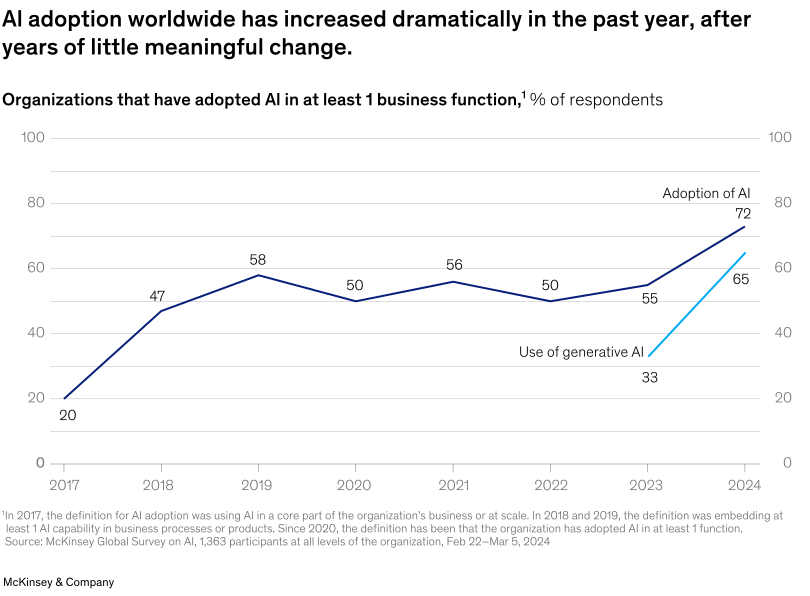
AI monitoring systems are commonly used in ecommerce to support proactive management.
How AI Analytics Supports Ecommerce Decision-Making
AI analytics tools analyze large volumes of ecommerce data to identify patterns and trends that may not be visible through traditional reporting.
Customer Behavior Analysis
AI models analyze customer browsing activity, purchase history, and engagement patterns.
These insights help businesses understand:
- which products customers interact with most frequently
- which marketing channels drive conversions
- where customers abandon the purchase journey
Companies that adopt data-driven decision-making often outperform competitors, according to Harvard Business Review’s research on data-driven organizations.

Predictive Demand and Inventory Forecasting
Predictive analytics uses historical data to forecast product demand and inventory requirements.
AI models can evaluate:
- seasonal demand fluctuations
- purchasing trends
- inventory turnover rates
These insights help businesses reduce stock shortages and optimize inventory planning.
Global ecommerce research from Statista’s ecommerce market data shows continued expansion in digital commerce markets, increasing the importance of accurate forecasting.
Marketing Campaign Analysis
AI analytics tools evaluate the effectiveness of marketing campaigns across multiple channels, including:
- paid advertising
- email marketing
- social media campaigns
- organic search traffic
Research from HubSpot’s marketing statistics and trends highlights how data-driven marketing improves campaign efficiency and return on investment.
AI systems help businesses allocate marketing budgets more effectively.
AI Alert Systems in Ecommerce Operations
AI monitoring systems often include alert mechanisms that notify operators when certain thresholds or anomalies occur.
Real-Time Performance Monitoring
AI monitoring tools track operational metrics in real time, including:
- website traffic spikes or drops
- sudden sales declines
- unusual transaction patterns
Alert systems allow businesses to detect operational issues quickly.
According to performance guidance from Google’s Core Web Vitals documentation, monitoring website performance indicators is important for maintaining user experience and engagement.
Fraud Detection and Risk Monitoring
AI systems are frequently used to detect suspicious activity in ecommerce environments.
Machine learning models can analyze transaction patterns to identify potential fraud signals such as:
- unusual purchase behavior
- inconsistent location data
- abnormal account activity
Automated monitoring helps reduce fraud risk and improve transaction security.
Customer Experience Alerts
Alert systems can also monitor customer experience metrics.
Examples include alerts triggered by:
- increased cart abandonment rates
- sudden increases in bounce rates
- slow page loading times
Monitoring these signals allows businesses to address issues that may affect conversion rates.
Example: AI Platforms Supporting Ecommerce Monitoring
Several ecommerce platforms combine monitoring, analytics, and marketing automation capabilities.
For example, Akohub AI Retargeting & Loyalty for Shopify integrates with Shopify stores to support marketing automation features such as retargeting campaigns, referral programs, and loyalty systems.

Platforms in this category use analytics insights to support customer engagement and retention strategies.
Best Practices for Implementing AI Monitoring in Ecommerce
Organizations implementing AI monitoring systems often follow several operational practices.
Define Key Metrics
Businesses typically identify critical performance indicators such as:
- conversion rate
- sales trends
- customer engagement metrics
- marketing campaign performance
Monitoring these metrics allows early detection of performance changes.
Establish Alert Thresholds
Alert systems require clearly defined thresholds that trigger notifications.
Examples include:
- sudden drops in sales
- unusual traffic spikes
- abnormal transaction patterns
These alerts help businesses respond quickly to operational changes.
Maintain Data Quality
AI monitoring systems depend on accurate and consistent datasets.
Businesses must ensure reliable data collection and integration across analytics platforms.
Future Trends in AI Ecommerce Monitoring
AI monitoring technologies continue to evolve as ecommerce data becomes more complex.
Emerging trends include:
Autonomous Monitoring Systems
AI systems that automatically detect operational issues and recommend corrective actions.
Real-Time Analytics Platforms
Analytics tools capable of processing large data streams instantly.
Personalized Commerce Insights
AI models that generate insights specific to customer segments and purchasing patterns.
These developments suggest that AI monitoring will continue to play a growing role in ecommerce management.
FAQ: AI Ecommerce Monitoring and Analytics
What is AI ecommerce monitoring?
AI ecommerce monitoring refers to the use of artificial intelligence to track ecommerce performance metrics, detect anomalies, and generate insights that support operational decision-making.
How does AI analytics help ecommerce businesses?
AI analytics helps businesses analyze customer behavior, evaluate marketing performance, forecast demand, and identify operational issues.
What are AI alert systems in ecommerce?
AI alert systems notify businesses when unusual activity occurs, such as sudden traffic changes, sales declines, or suspicious transactions.
Can AI monitoring detect ecommerce fraud?
Yes. AI monitoring systems analyze transaction patterns and behavioral signals to identify suspicious activity that may indicate fraud.
Why are monitoring and analytics important in ecommerce?
Monitoring and analytics allow businesses to track performance indicators, detect operational issues early, and make informed decisions that improve efficiency and customer experience.
Conclusion
AI ecommerce monitoring and analytics technologies are increasingly used to support data-driven decision-making in online retail environments.
By analyzing operational signals, detecting anomalies, and providing performance alerts, AI monitoring systems help businesses manage complex ecommerce operations more effectively.
As ecommerce platforms continue to generate large volumes of data, the ability to interpret performance signals through analytics and monitoring tools will remain an important component of modern ecommerce management.
Try Akohub for FREE today and start building your loyalty program today! Reach out to us at service@akohub.com or book a free consultation here:


