


Ecommerce businesses operate in dynamic environments where performance can change quickly due to shifts in customer behavior, marketing effectiveness, or market conditions. For Shopify merchants, monitoring growth signals and ecommerce performance metrics is essential for understanding these changes and making informed decisions.
Growth signals are early indicators that reflect changes in acquisition, engagement, and revenue trends. When analyzed alongside performance metrics, they provide a structured way to evaluate store health and identify opportunities for improvement.
This article provides a neutral analysis of:
- key Shopify growth signals
- core ecommerce performance metrics
- how businesses interpret these signals
- practical approaches to monitoring and improving performance
What Are Shopify Growth Signals?
Shopify growth signals are measurable indicators that reflect changes in customer behavior, sales performance, and operational efficiency.
These signals help businesses:
- detect growth trends
- identify performance issues early
- evaluate the effectiveness of marketing strategies
Growth signals differ from standard metrics because they emphasize direction and change over time, rather than static performance snapshots.
Customer Acquisition Signals
Traffic Sources and Channel Performance
Understanding where visitors originate helps evaluate marketing effectiveness.
Common acquisition channels include:
- organic search
- paid advertising
- social media
- referral traffic
Research from Search Engine Journal on traffic acquisition strategies explains how different channels contribute to user intent and conversion potential.

Monitoring acquisition signals allows businesses to allocate marketing resources more efficiently.
Conversion Rate and Funnel Efficiency
Conversion rate measures how effectively visitors become customers.
Funnel analysis helps identify where users drop off between:
- product discovery
- add-to-cart
- checkout completion
Benchmark insights from WordStream’s ecommerce conversion rate analysis indicate that improving funnel efficiency often has a direct impact on revenue.

Source: Wordstream
Customer Acquisition Cost and Marketing Efficiency
Customer acquisition cost (CAC) measures how much is spent to acquire each customer.
Tracking CAC alongside revenue metrics helps businesses evaluate the sustainability of growth strategies.
Customer Engagement and Retention Signals
Repeat Purchase Rate and Customer Lifetime Value
Repeat purchase rate indicates how often customers return.
Customer lifetime value (CLV) measures total revenue generated per customer.
A higher CLV often reflects stronger customer relationships and more efficient growth.
Research from Bain & Company on customer loyalty economics shows that retained customers often contribute significantly more value over time.
Engagement Metrics
Engagement signals include:
- session duration
- bounce rate
- interaction depth
These metrics help evaluate how users interact with the store.
Low engagement may indicate:
- poor content relevance
- usability issues
- mismatched traffic sources
Sales and Revenue Performance Signals
Revenue Trends and Growth Patterns
Tracking revenue over time helps identify:
- seasonal trends
- growth acceleration or decline
- product demand changes
Consistent monitoring enables better forecasting and planning.
Average Order Value (AOV)
AOV reflects how much customers spend per transaction.
Strategies such as bundling and cross-selling often influence this metric.
Product Performance Signals
Analyzing product-level data helps identify:
- best-selling items
- underperforming inventory
- emerging demand trends
These insights support merchandising and inventory decisions.
Website and User Experience Signals
Site Performance and Speed
Website performance affects both engagement and conversions.
Research from Pingdom’s website speed analysis shows that slower websites can reduce user satisfaction and increase drop-off rates.
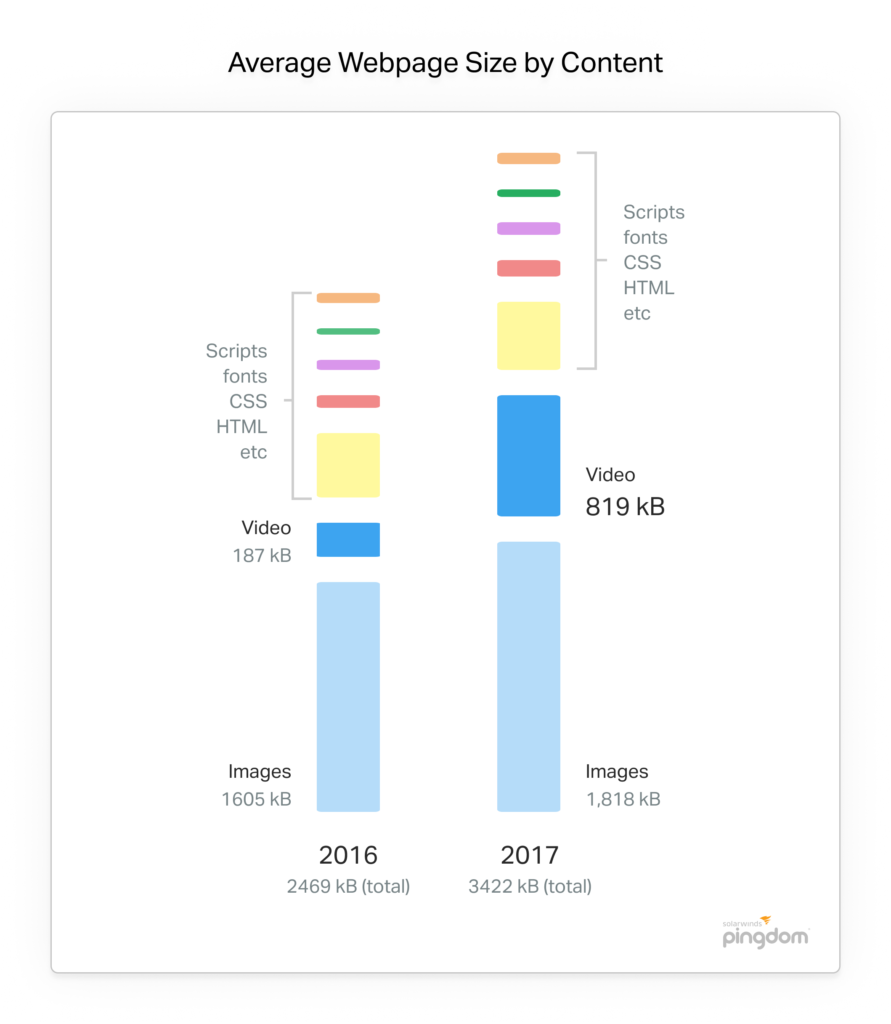
Monitoring speed-related metrics helps maintain usability.
Checkout Performance and Cart Abandonment
Checkout efficiency is a critical conversion signal.
High cart abandonment rates often indicate:
- friction in checkout flow
- unexpected costs
- limited payment options
Analyzing checkout behavior helps identify optimization opportunities.
Customer Feedback and Reviews
Customer feedback provides qualitative insight into:
- product satisfaction
- usability issues
- service quality
Review trends can signal both strengths and operational challenges.
Inventory and Operational Signals
Inventory Turnover
Inventory turnover measures how quickly products are sold.
Efficient turnover indicates alignment between supply and demand.
Fulfillment and Delivery Performance
Operational signals include:
- delivery speed
- order accuracy
- fulfillment efficiency
These factors directly affect customer satisfaction and retention.
Return Rates
Return rates provide insight into:
- product quality issues
- mismatched expectations
- fulfillment errors
Reducing returns improves profitability.
Marketing Performance Signals
Paid Campaign Effectiveness
Key metrics include:
- return on ad spend (ROAS)
- click-through rates
- conversion rates
Monitoring these signals helps optimize advertising strategies.
Organic Search Performance
Organic traffic reflects SEO effectiveness.
Tracking keyword rankings and traffic trends helps improve visibility.
Social and Community Engagement
Social engagement signals include:
- content interaction
- audience growth
- referral traffic
These metrics indicate brand awareness and audience connection.
Example: Tools Supporting Growth Signal Analysis
Some platforms combine analytics insights with marketing automation.
For example, Akohub AI Retargeting & Loyalty for Shopify integrates with Shopify stores to support customer engagement strategies such as retargeting, referral programs, and loyalty systems.

Platforms in this category apply behavioral data to support retention and conversion improvements.
Practical Approaches to Using Growth Signals
Establishing Measurement Frameworks
Businesses often define key performance indicators (KPIs) aligned with growth objectives.
Common KPIs include:
- conversion rate
- customer retention
- revenue growth
- acquisition efficiency
Regular Monitoring and Analysis
Periodic review of analytics dashboards helps identify trends and anomalies.
Dashboards allow businesses to track performance consistently.
Iterative Optimization
Businesses use insights from growth signals to:
- refine marketing strategies
- improve website usability
- adjust product offerings
Continuous iteration supports long-term performance improvements.
FAQ: Shopify Growth Signals and Ecommerce Metrics
What are Shopify growth signals?
Shopify growth signals are indicators that reflect changes in customer acquisition, engagement, and revenue performance over time.
Why are growth signals important in ecommerce?
Growth signals help businesses detect trends early and adjust strategies before major performance changes occur.
Which metrics are most important for Shopify stores?
Key metrics include conversion rate, customer lifetime value, average order value, traffic sources, and retention rates.
How often should ecommerce metrics be reviewed?
Many businesses review performance metrics weekly or monthly to track trends and identify issues.
Can analytics tools automate growth signal tracking?
Some analytics platforms use automation and machine learning to track performance metrics and identify patterns in ecommerce data.
Conclusion
Shopify growth signals and ecommerce performance metrics provide a structured way to evaluate store performance and identify opportunities for improvement.
By monitoring acquisition, engagement, revenue, and operational signals, businesses can better understand how their store performs across the customer journey.
Consistent analysis and iterative optimization allow ecommerce operators to adapt to changing conditions and support sustainable growth over time.


