


Shopify store performance depends heavily on the ability to analyze data and interpret ecommerce metrics accurately. As online retail becomes more competitive, merchants increasingly rely on Shopify growth diagnostics—a systematic approach to analyzing store data and identifying opportunities for improvement.
Growth diagnostics combine ecommerce growth analysis, Shopify analytics insights, and performance metrics to evaluate how effectively a store converts visitors into customers and generates revenue.
This article provides a neutral analysis of Shopify growth diagnostics, explaining:
- what Shopify growth diagnostics are
- which metrics are most important for ecommerce growth analysis
- how businesses conduct performance audits
- how analytics insights support strategic decision-making
Understanding these analytical practices helps ecommerce businesses identify growth opportunities and improve long-term performance.
What Are Shopify Growth Diagnostics?
Shopify growth diagnostics refers to the process of analyzing store data to evaluate ecommerce performance and identify areas for improvement.
This process typically includes reviewing metrics related to:
- website traffic
- customer behavior
- product performance
- marketing effectiveness
- financial performance
Shopify itself emphasizes the role of analytics in business decision-making in its guide to ecommerce analytics and performance tracking, noting that merchants use analytics insights to understand customer behavior and optimize store performance.
Growth diagnostics help businesses answer key questions such as:
- Which products drive the most revenue?
- Where do customers drop off in the purchase journey?
- Which marketing channels generate profitable traffic?
These insights enable data-driven strategy adjustments.
Key Metrics Used in Ecommerce Growth Analysis
Traffic Sources and Visitor Behavior
Traffic analytics help businesses understand how visitors reach their store and interact with pages.
Important traffic metrics include:
- organic search traffic
- paid advertising traffic
- referral and social media traffic
- page views and session duration
Analyzing traffic sources helps businesses allocate marketing budgets more effectively.
Research on consumer online behavior from Google’s Think with Google insights highlights how understanding customer journeys is essential for improving ecommerce performance.

Conversion Rate and Cart Abandonment
Conversion rate measures the percentage of visitors who complete a purchase.
Cart abandonment rate measures how many shoppers leave the checkout process without completing their purchase.
According to checkout usability research by Baymard Institute on cart abandonment rates, a large proportion of ecommerce transactions are abandoned before completion.
Analyzing these metrics helps businesses identify friction points within the purchase journey.
Average Order Value and Customer Lifetime Value
Average Order Value (AOV) represents the average amount spent per transaction.
Customer Lifetime Value (CLV) estimates the total revenue a customer generates during their relationship with a store.
Increasing these metrics often improves long-term profitability.
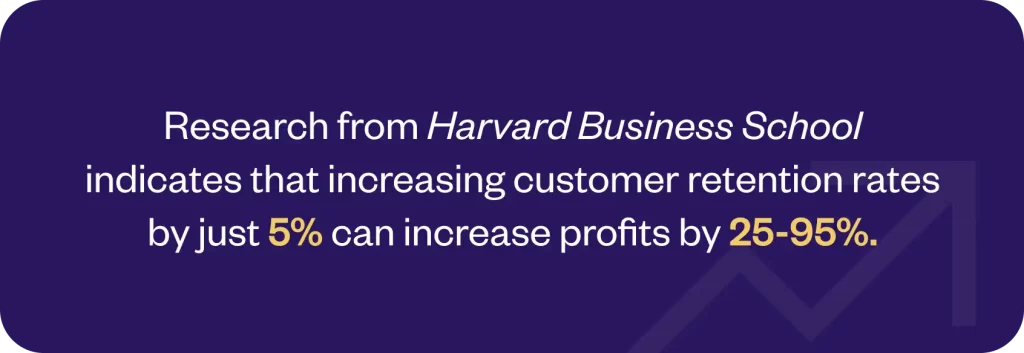
Research discussed in Harvard Business Review on customer retention suggests that improving customer retention can significantly increase profits, demonstrating the importance of lifetime value metrics.
Source: Yellow AI
Revenue Trends and Profit Margins
Revenue metrics help businesses evaluate overall store growth.
Important financial metrics include:
- total revenue
- profit margin
- sales growth over time
Tracking these metrics over time allows businesses to identify seasonal patterns and evaluate marketing effectiveness.
Global ecommerce growth data reported by Statista’s online shopping research indicates continued expansion in digital commerce, making performance monitoring increasingly important.
How to Conduct a Shopify Growth Diagnostics Audit
Data Collection and Preparation
A diagnostics audit begins with collecting accurate and complete data.
Businesses typically use a combination of analytics tools including:
- Shopify Analytics dashboards
- Google Analytics
- marketing attribution tools
- heatmap and behavior tracking platforms
Ensuring accurate tracking is essential before conducting performance analysis.
Analyzing Ecommerce Performance
Once data is collected, businesses analyze patterns in store activity.
Common evaluation steps include:
Identifying Top-Performing Products
Analyzing product sales and profit margins helps businesses focus on high-performing inventory.
Evaluating Conversion Funnels
Conversion funnel analysis identifies where users drop off in the purchase journey.
Reviewing User Experience
Metrics such as bounce rate and page load speed help identify usability issues that may impact conversion rates.
Benchmarking and Competitive Analysis
Benchmarking compares a store’s metrics against industry standards.
Competitive analysis helps identify gaps in pricing strategies, product positioning, and marketing channels.
These insights help merchants refine ecommerce strategies and prioritize improvements.
Interpreting Shopify Analytics Insights for Strategic Decisions
Analytics insights are most valuable when translated into actionable strategies.
Identifying Patterns and Trends
Analytics tools reveal patterns such as:
- seasonal demand fluctuations
- emerging product trends
- changes in customer preferences
Recognizing these trends helps businesses adjust marketing and inventory planning.
Prioritizing High-Impact Improvements
Businesses often focus on areas with the largest potential impact, including:
- improving checkout conversion rates
- increasing average order value
- reducing cart abandonment
Targeted optimization can significantly improve ecommerce performance.
Applying Insights to Marketing Strategies
Data insights allow businesses to improve marketing efficiency through:
- personalized campaigns
- targeted promotions
- optimized advertising budgets
These strategies increase the likelihood of reaching high-intent customers.
Example: AI-Driven Marketing Platforms for Shopify
Some ecommerce analytics platforms combine data analysis with automated marketing tools.
One example is Akohub AI Retargeting & Loyalty for Shopify, which integrates with Shopify to help merchants manage customer engagement campaigns such as retargeting, referral marketing, and loyalty programs.
Platforms in this category typically apply analytics insights to marketing automation and customer retention strategies.

Challenges in Shopify Growth Diagnostics
Data Integration and Silos
Ecommerce data often exists across multiple platforms, including advertising platforms, analytics tools, and CRM systems.
Integrating these datasets is necessary to gain a complete view of store performance.
Interpreting Complex Data Sets
Large datasets can be difficult to interpret without proper analytical frameworks.
Businesses must focus on key performance indicators rather than less meaningful metrics.
Privacy and Compliance Considerations
Customer analytics often involves personal data.
Businesses must ensure compliance with data privacy regulations such as GDPR and other regional privacy laws.
FAQ: Shopify Growth Diagnostics
What is Shopify growth diagnostics?
Shopify growth diagnostics refers to the systematic analysis of store performance metrics to identify growth opportunities and performance challenges.
Why are Shopify analytics insights important?
Shopify analytics insights help merchants understand customer behavior, evaluate marketing effectiveness, and identify areas for improvement within their ecommerce operations.
What metrics are most important for ecommerce growth analysis?
Important metrics include conversion rate, average order value, customer lifetime value, traffic sources, and cart abandonment rate.
How often should Shopify merchants review analytics data?
Many businesses review key metrics weekly or monthly to identify trends and respond quickly to performance changes.
Can AI tools help with Shopify growth diagnostics?
Some analytics platforms apply artificial intelligence to analyze large datasets and identify patterns in ecommerce performance.
These tools may help businesses detect trends, predict customer behavior, and automate marketing strategies.
Conclusion
Shopify growth diagnostics provide a structured approach to analyzing ecommerce performance and identifying opportunities for improvement.
By evaluating metrics such as conversion rate, customer behavior, marketing performance, and revenue trends, businesses can make informed strategic decisions.
As ecommerce competition continues to increase, the ability to interpret analytics insights and apply them effectively remains an important factor in long-term business success.
Try Akohub for FREE today and start building your loyalty program today! Reach out to us at service@akohub.com or book a free consultation here:


