


Sudden declines in ecommerce performance can significantly affect online retailers. A Shopify performance drop or ecommerce sales decline may occur due to technical issues, changes in customer behavior, marketing inefficiencies, or external market conditions.
Understanding the underlying causes of sales declines requires careful analysis of store metrics and customer data. Shopify analytics and ecommerce performance diagnostics allow businesses to identify patterns, detect operational problems, and evaluate marketing effectiveness.
This article provides a neutral analysis of Shopify performance drops, explaining:
- common causes of ecommerce sales declines
- how Shopify merchants diagnose performance issues
- industry trends that affect ecommerce sales
- practical analytical strategies businesses use to address performance changes
What Does a Shopify Performance Drop Mean?
A Shopify performance drop refers to a measurable decline in key ecommerce metrics such as sales revenue, conversion rate, or traffic.
Performance declines can appear in several ways:
- reduced website traffic
- lower conversion rates
- decreased average order value
- higher cart abandonment rates
- declining repeat purchase rates
Shopify’s own guide to ecommerce analytics and performance tracking explains that monitoring store metrics helps merchants identify performance trends and diagnose growth challenges.
Early detection allows businesses to adjust strategies before declines become long-term problems.
Key Indicators of Ecommerce Sales Decline
Declining Conversion Rates
Conversion rate measures the percentage of visitors who complete a purchase.
A decline in conversion rate often indicates:
- user experience problems
- pricing or product positioning issues
- checkout friction
Research on ecommerce usability by Baymard Institute’s checkout optimization studies shows that checkout complexity remains one of the most common causes of lost ecommerce sales.

Reduced Traffic Quality
Traffic volume may remain stable while sales decline if the quality of visitors changes.
Traffic sources such as:
- paid advertising
- social media
- organic search
can bring visitors with different levels of purchase intent.
Understanding the customer journey is important for diagnosing these issues, as discussed in Google’s Think with Google research on consumer decision journeys.
Declining Average Order Value
Average Order Value (AOV) represents the average amount customers spend per purchase.
Lower AOV may occur due to:
- changes in product mix
- pricing adjustments
- fewer cross-selling opportunities
Monitoring AOV helps businesses understand purchasing behavior trends.
Changes in Customer Retention
Customer retention metrics reveal whether returning customers continue purchasing.
According to Harvard Business Review research on customer retention, improving customer retention can significantly increase long-term profitability.
A decline in repeat purchases may indicate dissatisfaction or increased competition.
Common Causes of Shopify Performance Drops
Technical Issues and Website Performance
Technical problems can directly affect ecommerce sales.
Common issues include:
- slow page loading speeds
- server errors
- broken checkout functionality
Website performance affects conversion rates and user satisfaction.
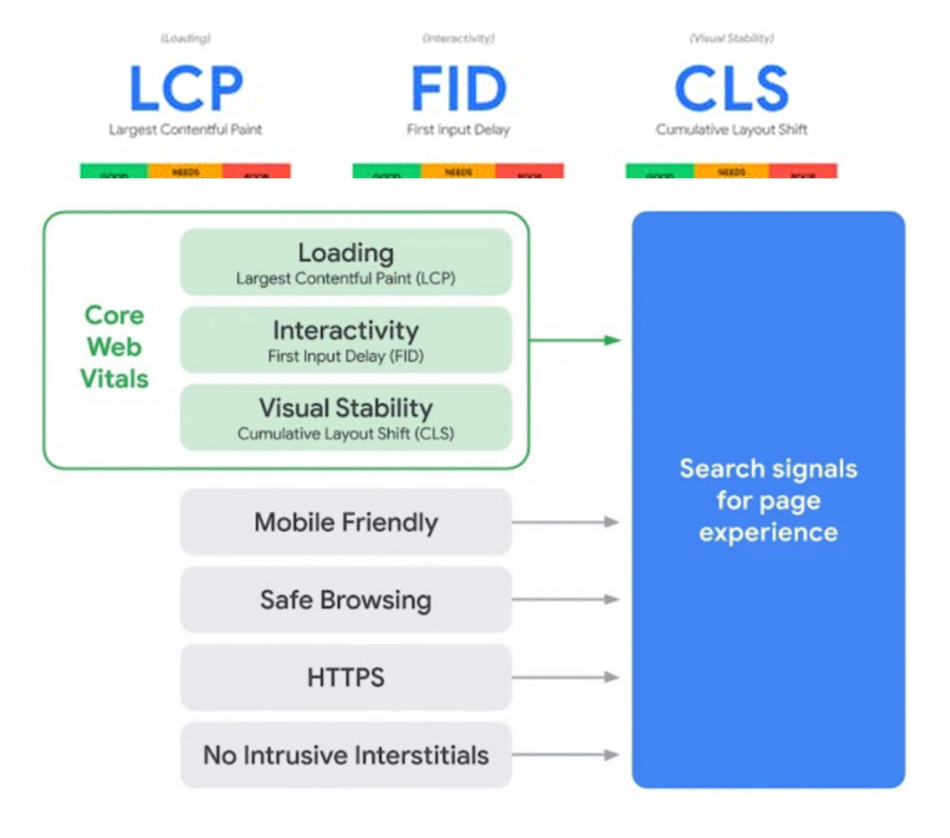
Studies on web performance and user experience discussed in Google Web Vitals research show that slower websites tend to experience lower engagement and higher bounce rates.
Mobile Experience Problems
Mobile devices now account for a significant portion of ecommerce traffic.
If mobile usability is poor, customers may abandon purchases before checkout.
Common mobile issues include:
- unresponsive design
- difficult navigation
- slow page loading
Optimizing mobile usability remains critical for ecommerce success.
Marketing Campaign Inefficiencies
Marketing campaigns that previously generated results may decline in effectiveness due to:
- rising advertising costs
- audience fatigue
- changes in platform algorithms
Evaluating marketing performance helps businesses adjust budgets and messaging strategies.
Product and Inventory Issues
Sales declines may also occur when product offerings no longer match market demand.
Common product-related issues include:
- inventory shortages
- outdated product selections
- insufficient product differentiation
Global ecommerce trends reported in Statista’s research on online shopping markets show that competition continues to increase across many product categories.
External Factors That Influence Ecommerce Sales
Economic Conditions
Economic uncertainty can affect consumer spending behavior.
During economic downturns, customers may reduce discretionary purchases, leading to slower ecommerce sales.
Businesses must adapt pricing and marketing strategies accordingly.
Industry Competition
Increased competition from new ecommerce stores or marketplaces may impact traffic and conversion rates.
Competitor analysis helps businesses identify differences in:
- pricing
- shipping options
- product positioning
- marketing strategies
Seasonal and Market Trends
Ecommerce sales often fluctuate due to seasonal events.
Examples include:
- holiday shopping periods
- promotional events
- seasonal product demand
Understanding these cycles helps businesses distinguish temporary declines from structural issues.
How Businesses Diagnose Shopify Performance Issues
Conducting Store Performance Audits
Businesses often begin diagnostics by reviewing Shopify analytics dashboards and ecommerce reports.
Key evaluation areas include:
- conversion funnel analysis
- customer behavior metrics
- marketing attribution
- product performance
Comprehensive audits help identify where customers drop off during the purchase process.
Using Ecommerce Analytics Tools
Analytics tools provide deeper insights into performance metrics.
Common tools include:
- Shopify analytics dashboards
- marketing attribution platforms
- behavior tracking tools
Some analytics platforms combine data analysis with automated marketing capabilities. For example, Akohub AI Retargeting & Loyalty for Shopify integrates with Shopify to support customer engagement campaigns such as retargeting and loyalty programs. Platforms in this category apply analytics insights to marketing automation and customer retention strategies.

Evaluating Customer Experience
Customer experience analysis helps identify usability issues that affect conversions.
Businesses may analyze:
- page load times
- checkout flow complexity
- product page engagement
Improving these areas can reduce friction during the purchase journey.
Strategic Responses to Ecommerce Sales Declines
Businesses often respond to performance declines through several strategic actions.
Improving Website Performance
Optimizing page speed and resolving technical errors can improve conversion rates.
Refining Marketing Targeting
Evaluating traffic sources and campaign performance helps improve marketing efficiency.
Updating Product Strategies
Adjusting product offerings and pricing strategies helps align inventory with customer demand.
Enhancing Customer Engagement
Retention strategies such as loyalty programs and personalized marketing can encourage repeat purchases.
FAQ: Shopify Performance Drop and Ecommerce Sales Decline
Why does Shopify performance sometimes drop suddenly?
Sudden performance declines may result from technical issues, changes in marketing performance, increased competition, or shifts in customer behavior.
What metrics indicate an ecommerce sales decline?
Common indicators include declining revenue, lower conversion rates, reduced traffic quality, decreasing average order value, and increased cart abandonment rates.
How can Shopify merchants diagnose performance problems?
Merchants typically analyze Shopify analytics data, review marketing campaign performance, evaluate conversion funnels, and audit website usability.
Are external market factors responsible for ecommerce sales drops?
Yes. Economic conditions, industry competition, and seasonal demand fluctuations can all affect ecommerce sales performance.
Can analytics tools help address ecommerce performance issues?
Analytics tools help businesses monitor performance metrics, identify trends, and evaluate marketing effectiveness. These insights support informed decision-making.
Conclusion
Shopify performance drops and ecommerce sales declines can occur for many reasons, including technical issues, marketing inefficiencies, changing customer behavior, and broader economic factors.
Diagnosing these issues requires systematic analysis of ecommerce metrics such as traffic sources, conversion rates, customer retention, and product performance.
By regularly reviewing analytics insights and adapting strategies based on data, ecommerce businesses can better understand performance fluctuations and identify opportunities for improvement.
Try Akohub for FREE today and start building your loyalty program today! Reach out to us at service@akohub.com or book a free consultation here:


