


Why Sales Forecasting Matters for Shopify Merchants
For Shopify merchants, predicting future sales is more than a numbers exercise—it’s the backbone of strategic decision-making. Whether you’re planning inventory, allocating marketing budgets, or preparing for seasonal spikes, sales forecasting methods allow you to anticipate demand and minimize risk.
But manual forecasting often fails. Relying only on spreadsheets or instinct leaves merchants vulnerable to unexpected seasonal changes or shifting customer behavior. This is why many now turn to AI-powered apps. These apps use machine learning and data-driven sales forecasting models to analyze historical sales, customer purchase patterns, and seasonal fluctuations—delivering forecasts with higher accuracy and speed.
Akohub, for example, is a Shopify AI tool that goes beyond marketing automation. It uses your store’s actual customer, product, and transactional data to provide weekly insights and suggested actions. While Akohub is known for its loyalty and retargeting features, its AI dashboards also help merchants recognize sales patterns and forecast future performance based on seasonality and customer behavior.
Key Takeaways:
-
Sales forecasting is essential for inventory, marketing, and cash flow planning.
-
Shopify AI apps can analyze seasonal trends and customer data for accurate predictions.
-
Akohub connects forecasting insights with marketing and retention strategies.
Understanding Sales Forecasting Methods
There are multiple sales forecasting methods available to businesses. The choice depends on your data quality, store size, and forecasting horizon.
1. Historical Data Analysis
Merchants analyze past sales performance to identify growth trends, seasonal peaks, or downturns.
-
Strengths: Easy to implement, relies on data you already have.
-
Weaknesses: Assumes future patterns will mirror the past.
2. Time Series Models
These models look for patterns across time intervals:
-
Moving Averages: Smooth out noise to identify long-term growth.
-
Exponential Smoothing: Gives recent sales more weight.
-
ARIMA: Handles seasonality and cyclical fluctuations.
3. Regression Models
Regression-based sales forecasting models examine external factors (ads, promotions, or even economic shifts) and correlate them with sales outcomes.
4. Qualitative Methods
When data is scarce, merchants use expert judgment or customer surveys to predict demand.
Bullet Summary:
-
Sales forecasting methods include historical analysis, time series, regression, and qualitative models.
-
Seasonal industries benefit most from time series or ARIMA models.
-
Hybrid approaches improve accuracy by combining data + expert insights.
(Reference: Pipedrive on AI Forecasting)
How AI Improves Sales Forecasting Models
Traditional forecasting is static, but AI is dynamic. AI algorithms continuously learn from new data, adjusting forecasts based on real-time trends.
For Shopify merchants, this means:
-
Seasonal pattern recognition: AI detects spikes (e.g., Black Friday, Christmas) earlier.
-
Customer segmentation: AI forecasts not just overall sales but predicts demand across different customer groups.
-
Inventory alignment: Forecasting helps prevent stockouts or overstocking.
-
Marketing adjustments: AI models suggest ad spend changes based on predicted demand.
Akohub’s AI-powered insights do exactly this. Merchants see weekly reports with trend cards (opportunities and potential problems) that reveal sales shifts, abandoned cart rates, and average order values. These are the building blocks of a real sales forecasting model.

Bullet Summary:
-
AI-powered forecasts adapt to real-time customer and seasonal data.
-
AI identifies sales spikes, dips, and customer-specific demand patterns.
-
Akohub integrates forecasts with loyalty and retargeting actions.
(Reference: Zoho AI Forecasting)
Shopify AI Tools That Help with Sales Forecasting
Here are some of the most effective apps and platforms available for Shopify merchants seeking AI-driven forecasting:
1. Akohub – AI Marketing + Forecasting Insights
Akohub is not just a loyalty and retargeting tool—it’s also a forecasting assistant. By analyzing your Shopify store’s customers, orders, products, and ad data, Akohub generates:
-
Weekly dashboards with metrics like order count, AOV, and abandoned carts.
-
Insight cards that highlight seasonal opportunities and risks.
-
Suggested actions that improve sales performance based on predictions.
For example, if AI detects a rise in abandoned carts before the holiday season, Akohub suggests retargeting campaigns or loyalty incentives to recover revenue. This blends forecasting with execution, making it more actionable than standalone models.
Bullet Summary:
-
AI-powered dashboards with weekly forecasts.
-
Uses Shopify data for tailored seasonal insights.
-
Connects predictions to loyalty + retargeting actions.
(Reference: Akohub Shopify App)

2. Pipedrive + AI Sales Forecasting
Pipedrive is a CRM with built-in AI forecasting that integrates with Shopify through connectors. It provides pipeline-based sales forecasting models and helps predict customer conversions.
Bullet Summary:
-
CRM-driven forecasts with AI insights.
-
Forecasts pipeline conversions for Shopify leads.
-
Strong fit for B2B or higher-ticket DTC merchants.
(Reference: Pipedrive AI Sales Forecasting)
3. Zoho Analytics for AI Forecasting
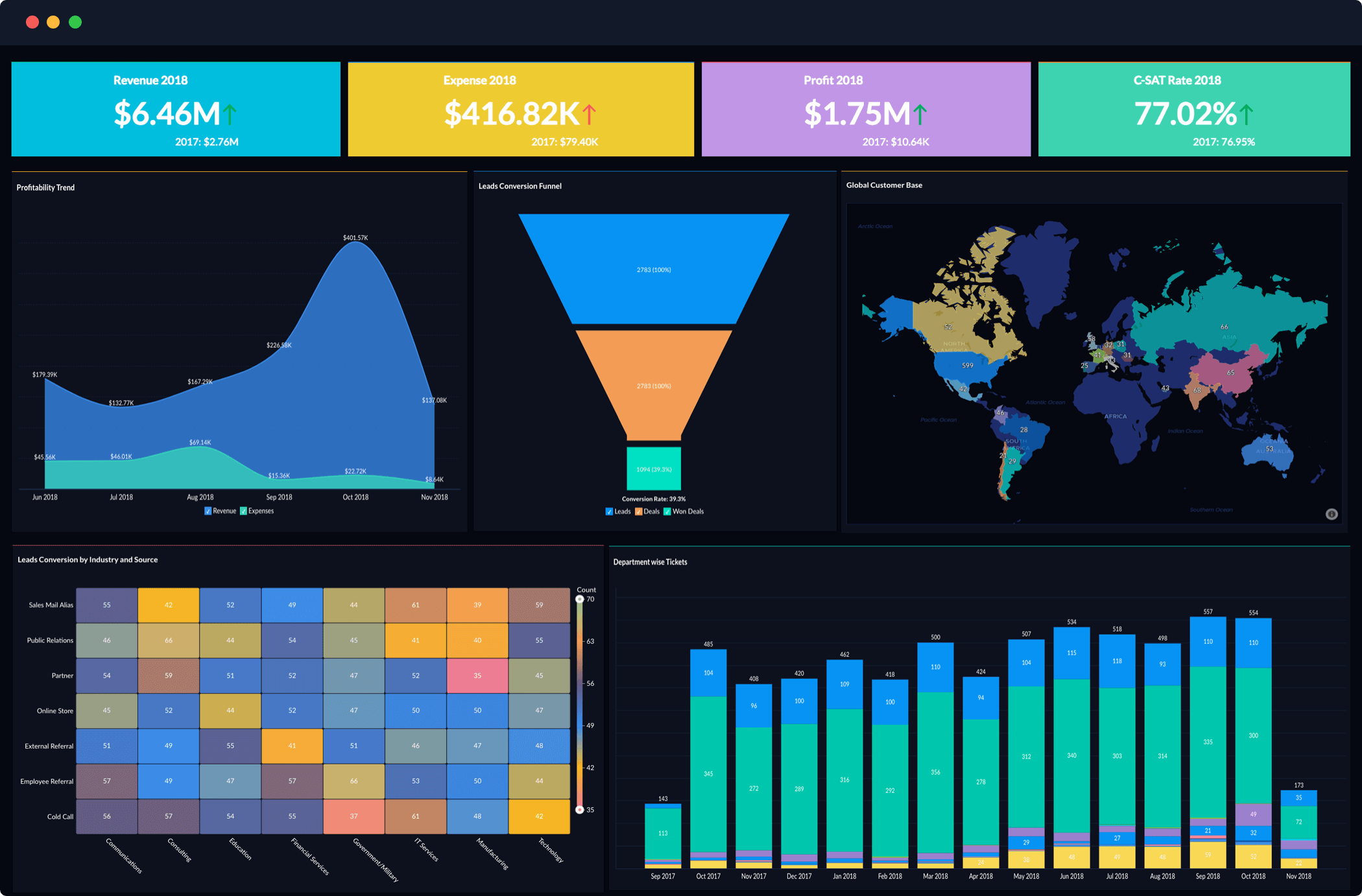
Zoho Analytics allows Shopify merchants to import store data and apply AI forecasting methods like regression or time series modeling.
Bullet Summary:
-
Flexible forecasting models.
-
Great for merchants managing multi-channel data.
-
Requires some setup and data management.
(Reference: Zoho Analytics)
4. Zapier-Connected Forecasting Tools
Through Zapier, Shopify merchants can connect their data to forecasting apps like Fuelfinance or StxNext forecasting models.
Bullet Summary:
-
Automates forecasting workflows.
-
Connects Shopify sales data to external AI platforms.
-
Supports scenario planning for seasonal shifts.
(Reference: Zapier on Sales Forecasting)

5. AI Forecasting Startups (FuelFinance, StratPilot, Lindy AI)
Several new platforms specialize in AI-driven forecasting and integrate with e-commerce:
-
Fuelfinance: Real-time revenue and cash flow forecasting.
-
StratPilot AI: AI prompts for predicting seasonal demand.
-
Lindy AI: Forecasting tailored to customer segments.
Bullet Summary:
-
Advanced sales forecasting models.
-
Perfect for scaling Shopify brands.
-
Useful for seasonal industries (fashion, beauty, food).
(Reference: FuelFinance AI Tools)
Why Akohub Stands Out for Shopify Merchants
While many platforms provide forecasts, Akohub’s edge is in connecting forecasts directly with actions. For a Shopify merchant, forecasting alone is not enough—you need to act on insights quickly.
Akohub’s AI does this by:
-
Flagging seasonal trends in sales data.
-
Suggesting retargeting ads when sales dip.
-
Recommending loyalty rewards when repeat purchases decline.
-
Offering consulting support to interpret forecasts.
This makes Akohub a hybrid of a sales forecasting model and a marketing automation engine—designed specifically for Shopify merchants who want to forecast demand and drive action in one place.

Practical Tips for Shopify Merchants Using AI Forecasting
To maximize these tools, merchants should:
-
Use hybrid models: Combine AI forecasts with human judgment.
-
Plan seasonally: Pay attention to peak periods like Q4 holidays.
-
Act on insights: Don’t just forecast—use Akohub’s suggested actions.
-
Track accuracy: Compare forecasts with actuals to refine models.
FAQs: AI Sales Forecasting for Shopify
Q1: What are the most common sales forecasting methods for Shopify merchants?
Historical data analysis, time series models (ARIMA, moving averages), regression models, and qualitative insights are the most common.
Q2: What is a sales forecasting model?
A sales forecasting model is a structured approach—such as time series or regression—that predicts future revenue based on past data and influencing variables.
Q3: Does Akohub provide sales forecasting insights?
Yes. Akohub uses your Shopify store data to generate weekly insights, trend cards, and suggested actions that help forecast sales performance.
Q4: Can AI handle seasonal forecasting better than humans?
Yes. AI models detect recurring seasonal patterns automatically and adjust forecasts dynamically, often outperforming manual methods.
Q5: Do I need technical skills to use Shopify AI forecasting tools?
Not with apps like Akohub. It is plug-and-play and includes consultation support to help merchants interpret insights.
Conclusion
The question, “What apps use AI to help forecast my sales based on seasonal trends and customer data?”, has a clear answer: there are multiple Shopify AI tools available, but the most effective combine forecasting with action.
From CRMs like Pipedrive to analytics platforms like Zoho, merchants can access a wide range of sales forecasting models. However, Akohub is the standout choice for Shopify merchants because it integrates forecasting insights with marketing execution—helping merchants predict demand, allocate budgets, and increase retention all from one dashboard.
By adopting AI-driven sales forecasting methods, Shopify merchants can make smarter inventory decisions, optimize campaigns for seasonal shifts, and drive predictable, profitable growth.


