


Understanding Shopify metrics and ecommerce analytics is essential for growing a successful online store. Data helps Shopify merchants identify what drives revenue, where customers drop off in the purchase journey, and which marketing strategies deliver the best results.
In this guide, you will learn:
- The most important Shopify metrics every store owner should track
- How ecommerce analytics improves Shopify store performance
- How to analyze customer behavior and conversion funnels
- How AI tools like Akohub AI Marketing automate analytics and growth optimization
Using analytics effectively allows Shopify businesses to make data-driven decisions that improve marketing performance, customer experience, and long-term profitability.
Why Shopify Metrics and Ecommerce Analytics Matter
Running an ecommerce business without analytics is like navigating without a map. Shopify analytics and ecommerce data provide insight into how customers interact with your store and where improvements are needed.
According to Shopify’s guide to ecommerce analytics, tracking store metrics helps merchants identify growth opportunities, improve marketing ROI, and optimize customer experiences.
Analytics answers key questions such as:
-
Which marketing channels bring the most profitable customers?
-
Which products generate the highest revenue?
-
Where do customers abandon the purchase journey?
By tracking these signals, merchants can continuously improve their Shopify store performance.
Essential Shopify Metrics Every Store Owner Should Track
1. Sales Metrics
Sales metrics measure overall store performance and revenue growth.
Important metrics include:
Total Sales
The total revenue generated within a specific time period.
Average Order Value (AOV)
The average amount customers spend per order. Increasing AOV can significantly increase revenue.
Sales Growth Rate
The percentage increase in revenue over time.
Conversion Rate
The percentage of visitors who complete a purchase.
According to Shopify conversion rate benchmarks, the average ecommerce conversion rate typically falls between 1% and 3%.
Improving this metric can dramatically increase store profitability.
2. Customer Metrics
Customer metrics measure how well your store acquires and retains customers.
Key customer analytics include:
Customer Acquisition Rate
The number of new customers gained over a period.
Customer Lifetime Value (CLV)
The total revenue a customer generates throughout their relationship with your store.
Repeat Purchase Rate
The percentage of customers who make multiple purchases.
Research from Harvard Business Review on customer retention shows that increasing customer retention by just 5% can boost profits significantly, highlighting the importance of long-term customer relationships.
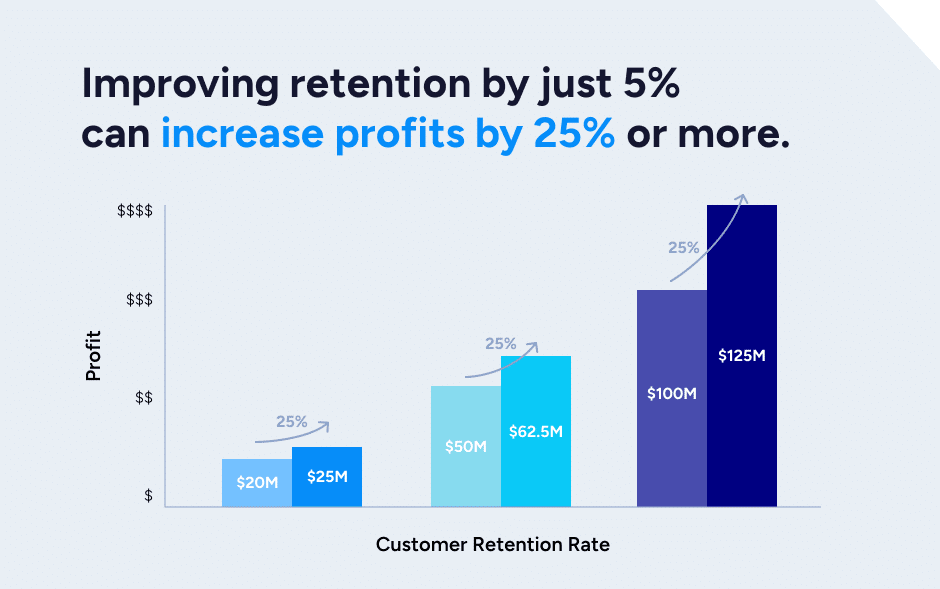
Source: Software Equity Group
3. Traffic and Engagement Metrics
Traffic metrics reveal how users interact with your website.
Important engagement metrics include:
Website Visitors
The number of users visiting your Shopify store.
Bounce Rate
The percentage of visitors who leave after viewing only one page.
Time on Site
The average amount of time visitors spend browsing your store.
Understanding engagement metrics helps identify usability issues that affect conversion rates.
Data from Google’s research on user experience and site speed shows that slow websites significantly reduce conversion rates and user engagement.
![Infographic] The Effect of Speed on Conversion Rates](https://www.convert.com/wp-content/uploads/2020/07/Infographic-The-Interesting-Effect-of-Speed-on-Conversion-Rates-ft.jpg)
Source: Convert Blog
4. Product Performance Metrics
Product analytics help merchants identify their most profitable products.
Important product metrics include:
Top-Selling Products
Products generating the most revenue.
Product Views
The number of times a product page is viewed.
Add-to-Cart Rate
The percentage of visitors who add products to their cart.
Tracking these metrics helps merchants optimize product listings, pricing strategies, and inventory planning.
According to Statista ecommerce industry data, ecommerce growth continues to accelerate globally, making data-driven product strategies increasingly important.
How Ecommerce Analytics Improves Shopify Store Performance
Analytics enables merchants to identify where customers drop off in the purchase journey and optimize those areas.
Setting Up Shopify Analytics Tools
Most Shopify stores use a combination of analytics tools such as:
-
Shopify Analytics
-
Google Analytics
-
Looker Studio dashboards
These tools allow merchants to track:
-
customer journeys
-
conversion funnels
-
marketing performance
-
customer behavior patterns
Combining multiple analytics sources creates a more complete picture of store performance.
Analyzing Customer Behavior
Customer behavior analytics reveal how visitors navigate your store.
Key behavioral insights include:
-
which pages drive the most engagement
-
which pages cause drop-offs
-
which marketing channels convert best
These insights help merchants identify the most valuable traffic sources and improve conversion funnels.
Improving Conversion Rates with Data
Data can be used to optimize the shopping experience.
Common conversion optimization strategies include:
-
A/B testing product pages
-
improving product descriptions
-
simplifying checkout
-
optimizing page speed
-
adding social proof
Continuous experimentation allows Shopify stores to improve conversion rates over time.
How Akohub AI Marketing Automates Shopify Analytics
Analyzing ecommerce data manually can be time-consuming. AI marketing platforms now automate much of this process.
Akohub AI Marketing helps merchants identify growth opportunities directly from Shopify data.
👉 Install Akohub AI Retargeting & Loya lty for Shopify
Akohub uses AI to analyze store performance and launch automated marketing campaigns.
AI Store Performance Insights
Akohub analyzes Shopify analytics to identify:
-
low converting products
-
high cart abandonment pages
-
underperforming traffic sources
-
customer retention opportunities
These insights allow merchants to focus on the highest-impact improvements.
Automated Marketing Campaigns
Akohub helps recover lost revenue with automated campaigns such as:
-
abandoned cart recovery
-
personalized promotions
-
win-back campaigns
-
referral and loyalty programs
These campaigns help convert more visitors into customers.
AI Customer Segmentation
Akohub automatically segments customers based on behavior and purchase history.
This enables merchants to deliver more personalized marketing campaigns that improve engagement and repeat purchases.
Best Practices for Tracking Shopify Metrics
Review Analytics Regularly
Analyze your store performance weekly or monthly to identify trends and opportunities.
Regular data reviews help merchants respond quickly to changes in traffic, conversion, or revenue.
Focus on Meaningful Metrics
Avoid vanity metrics that do not impact revenue.
Instead focus on KPIs such as:
-
conversion rate
-
customer lifetime value
-
average order value
-
customer retention
These metrics provide a clearer picture of business health.
Ensure Data Accuracy
Accurate tracking is essential for reliable insights.
Merchants should regularly audit analytics setups to ensure:
-
tracking scripts function correctly
-
analytics tools capture all events
-
privacy policies comply with regulations such as GDPR
Reliable data leads to better decision-making.
FAQ: Shopify Metrics and Ecommerce Analytics
What are the most important Shopify metrics to track?
The most important Shopify metrics include conversion rate, average order value, customer lifetime value, repeat purchase rate, traffic sources, and cart abandonment rate.
These metrics provide insight into revenue performance and customer behavior.
What is a good Shopify conversion rate?
Most ecommerce stores have conversion rates between 1% and 3%, though highly optimized stores can reach 4% or higher.
Improving conversion rate is one of the fastest ways to increase revenue.
How does ecommerce analytics improve Shopify store performance?
Analytics helps merchants understand customer behavior, optimize marketing channels, improve product pages, and identify conversion bottlenecks.
Data-driven decisions lead to more efficient marketing and higher sales.
What tools can Shopify stores use for ecommerce analytics?
Common ecommerce analytics tools include Shopify Analytics, Google Analytics, Looker Studio dashboards, and AI marketing platforms that automate data analysis.
Final Thoughts
Tracking the right Shopify metrics and ecommerce analytics is essential for building a successful online store.
By analyzing customer behavior, monitoring conversion funnels, and continuously optimizing store performance, merchants can significantly increase revenue and customer retention.
Modern AI platforms such as Akohub AI Marketing simplify this process by automatically analyzing store data and launching marketing campaigns that drive growth.
Data is more than numbers—it is the foundation of smarter ecommerce decisions and sustainable Shopify business growth.
Try Akohub for FREE today and start building your loyalty program today! Reach out to us at service@akohub.com or book a free consultation here:


